12 feb 2024

Oraciones pasivas: 'A Manuel le tiraron el café en los pantalones durante su conferencia'

Buenas tardes, estimados alumnos:

De nuevo, volvemos a repasar cómo se hacen frases en pasiva en inglés. Ya lo hemos comentado varias veces a lo largo del curso, pero toca ahora meterse de lleno con este apasionante tema.

Recordad: 

activa: 

'Mary come patatas con huevos fritos todos los días'.

'María eats fried eggs and french fries every day'.

pasiva: 

'Patatas son comidas por Mary todos los días'. 

'Fried eggs and french fries are eaten by María every day'.


Picha aquí para descargarte el documento.


Vamos a por algunos ejercicios sencillos:


Y en el siguiente grupo de enlaces, tienes acceso a muchos ejercicios tanto online autocorregibles como en pdf con las respuestas.
Mucho ánimo.


Y para acceder a todos los demás, pincha aquí.

Saludos.

Oraciones pasivas: teoría y práctica. No me han puesto pelo en la cabeza porque no hay de dónde coger.

 Buenas tardes, estimada familia IPEP INGLÉS.


Hoy nos vamos a centrar de nuevo en las llamadas oraciones pasivas, por ejemplo:


1) A Manuel le han puesto pelo en su calva. (pasiva)

2) Manuel se ha puesto pelo en su calva. (pasiva)

3) El médico ha puesto pelo en la calva de Manuel. (activa)

Las dos primeras indicen en lo importante, en que le han puesto pelo, pero no se dice por quién.

En la última, comenzamos diciendo quién ha puesto el pelo.

1 y 2) Manuel has been put some new hair on his head.

3) They have put hair on his head.


O mejor aún:

1) Manuel has been put a horrible brown wig.

A Manuel le han puesto una peluca marrón horrible.


2) Manuel has been sold the most horrible wig in the shop.

A Manuel le han vendido la peluca más horrorosa de la tienda.


3) Manuel has been told to buy another wig because that is horrible.

A Manuel le han dicho que se compre otra peluca porque esta es horrible.


4) Manuel has not paid attention to this piece of advice and has bought the most disgusting wig in the shop.

Manuel no ha hecho caso del consejo y se ha comprado la peluca más horrible de la tienda.


Hoy toca un texto muy sencillo con el que vamos a seguir trabajando las oraciones pasivas, que son las más usadas en los textos periodísticos serios, no en 'sálvame' y cosas similares.

CÓDIGOS DE COLORES:

AZUL: Traducciones.

ROJO: Aspectos gramaticales.

VERDE: Aspectos culturales.

NARANJA: Estructuras concatenadas

MORADO: Traducción y sinónimos, antónimos, etc.

Amarillo: Palabras con trampa.

Os dejo una plantilla para que, sobre la marcha, podáis ir completando con sinónimos, antónimos, etc y los significados. Espero que os sea de utilidad. Pinchad aquí para descargarla.


Iraq violence: 'Many dead' in Kirkuk police HQ attack


Bombing

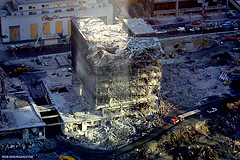
Imagen en Flickr de Rob Sheridan bajo CC

At least 16 people have been killed as a suicide bomber and gunmen attacked a police headquarters in the northern Iraqi city of Kirkuk, police say.

Officials said militants had tried to seize the compound after a bomb exploded at the gates, but were unsuccessful. A police chief was hurt. No group has said it carried out the attack.

Kirkuk is ethnically mixed, and at the centre of a dispute between Baghdad and the Kurds over oil and land rights. Two weeks ago at least 10 people were killed in a suicide bomb attack on the offices of the Kurdish Democratic Party in the city. Sunni insurgents linked to al-Qaeda have been blamed for much of the recent violence in Iraq. However, there has been a relative calm in recent days.

https://dictionary.cambridge.org/es/diccionario/ingles-espanol/compound


The attack took place at around 09:15 local time (06:15 GMT) in the centre of Kirkuk. "I saw a vehicle stop at the checkpoint at the main entrance, and the police started checking it," eyewitness Kosrat Hassan Karim told the AFP news agency. "Suddenly, a loud explosion happened, it was terrifying."

Two militants reportedly dressed in police uniforms and armed with guns, grenades and suicide vests rushed the main gate of the headquarters after the bomb was detonated. One was killed immediately by police. They tried to dismantle the other's suicide vest but were unsuccessful, so they shot him dead, reports said.

At least 80 people were injured including local police chief Brigadier Sarhad Qader, whose condition is described as stable. First reports said the death toll had been as high as 30. The attack caused massive damage to nearby buildings. Traffic in the city centre was stopped, and offices in the area were evacuated.

With its massive oil reserves, Kirkuk is the most bitterly contested of Iraq's disputed territories. It houses a mixture of Arabs, Kurds and Turkmen.

https://dictionary.cambridge.org/es/diccionario/ingles-espanol/house?q=houses

The Kurds want to incorporate it into their largely autonomous region, while Arabs and Turkmen oppose any change to its current status, ruled directly from Baghdad. Correspondents say militants often exploit differences between the Iraqi and Kurdish security forces by launching deadly attacks in the city.


👉👉👉👉Ejemplos de oraciones en pasiva:


1) At least 16 people have been killed as...

Al menos, 16 personas han sido asesinadas mientras que...


2) A police chief was hurt

Un jefe de policía resultó herido.


3) ... at least 10 people were killed in...

Al menos 10 personas murieron en... /resultaron muertas en...


4) Sunni insurgents linked to al-Qaeda have been blamed for...

Se ha culpado a los insurgentes Sinies relacionados con Al-Qaeda por...


5) ...after the bomb was detonated

...después de que la bomba fuese detonada


6) One was killed immediately by police.

Uno resultó muerto inmediatamente por la policía.


7) 80 people were injured including local police...

80 personas resultaron heridas incluidos policías locales...


8)...whose condition is described as stable.

cuyo estado se describe como estable.


9) Traffic in the city centre was stopped

El tráfico en el centro de la ciudad fue detenido,


10) ...and offices in the area were evacuated...

... y las oficinas de la zona fueron evacuadas.


Saludos.


5 feb 2024

Test online de 20 preguntas sobre tiempos verbales, ¡MUY FÁCIL!

Buenas tardes, estimados alumnos. 

Vamos hoy a por un test como el que veréis en vuestro examen, pero muy sencillo. Vais a acertar todas las respuestas.


24 ene 2024

Repaso de todos los tiempos verbales en inglés.

Buenos días, estimados alumnos.

Os dejo un pequeño repaso de los tiempos verbales en inglés, con el documento en pdf descargable.


Foto de @mmolpor


Today I have been so lucky! My husband has cooked a delicious, beautiful stew which we have eaten today for lunch. Well, in fact, it was cooked yesterday and the ingredients were bought two days ago. My husband enjoys cooking, and has been cooking for more than 10 years now. Recently, he has started a cooking course in the evenings and now we enjoy eating much more. I remember when he started to cook 10 years ago! He was a disaster, a chaos, and most meals were overcooked or even burnt. Now, I am falling asleep, because this stew, which has red sausage, black pudding, pork, beans, potatoes, will make anybody feel drowsy. However, If I had known how tasty I was, I would have eaten it yesterday instead of today. Would you like to try it? Now I am sure that by the end of this week I will have put on 3 kilos at least! 


Foto @mmolpor


For tomorrow, he has already prepared some 'migas', with lots of pork pieces, garlic, red sausage, black pudding, green and red pepper, salt and some water. We will eat them tomorrow, because they need to rest for a while. He has been cooking them for two hours, very slowly, patiently. He would have liked to eat them today as well, but I thought that if we had eaten both the stew and the migas, we would have exploded.


1) presente simple:

I work in Jaén.

I don't work in Jaén.

Do I work in Jaèn?

Mary workS in Jaén this year.

Mary does not work in Jaén this year.

Does Mary work in Jaén this year?


2) Presente continuo:

I am working in Jaén now. 

Ahora estoy trabajando en Jaén.

I am not workin in Jaén now.

Are you working in Jaén now?


Foto @mmolpor 

The boat is sailing and the fisherman is working so hard. The sun is not shining very much, but the sea is so quiet.


3) Presente perfecto:

I have worked in Jaén this year.

 He trabajado este año en Jaén.


Mary has worked in Jaén this year.

Has Mary worked in Jaén this year?


4) Presente perfecto continuo:

I have been working in Jaén this year. 

 YO he estado trabajando en Jaén este año.


Mary has been working in Jaèn this year.

Carlos has not been working in Jaén this year.


Has Luis been working in Jaén this year?


5) Pasado simple:

I worked in Jaén las year.

  Yo trabajé en Jaén el año pasado.


I did not work in Jaén last year.

Did you work in Jaén last year?


Mary broke her arm two years ago.

María se rompió el brazo hace 2 años.


Mary did not break her arm two years ago.

Did Mary break her arm two years ago?


6) Pasado continuo:

I was working in Jaén two years ago while I was living with my mother.

Estuve trabajando con en Jaén hace dos años mientras que vivía con mi madre.

Mary was not working in Jaén while she was living with her mother.

Was Mary working in Jaén while she was living with her mother?


7) Pasado perfecto:

I had worked in Jaén before I moved to Madrid. 

Yo había trabajado en Jaén antes de mudarme a Madrid.

Mary had not worked in Jaén before she moved to Madrid.

Did Luis work in Jaén before He moved to Madrid?


Foto de @mmolpor

The car had been driving very fast and had crashed against another car. Two people nearly died but the ambulance, which had been called up by some eyewitnesses, came so soon and the doctors were able to save the victims.


8) Pasado perfecto continuo:

I had been working in Jaén before I moved to Madrid.  Yo había estado trabajando en Jaén antes de mudarme a Madrid.

Mary had not been working in Jaèn before she moved to Madrid.

Had Mary been working in Jaén before she moved to Madrid?


9) Futuro simple:

I will work in Madrid next year.  Yo trabajaré en Madrid el año que viene.

I will not /won't (puedes elegir el que quieres, o will not o won't) in Madrid next year.

Will Mary work in Madrid next year.


10) Futuro continuo:

I will be working in Madrid next year. 

El año que viene estaré trabajando en Madrid.

I will not /won't be working in Madrid next year.

Will Luis be working in Madrid next year or will he be working in Cádiz?


11) Futuro perfecto

I will have worked in Madrid before the year ends.  

Habré trabajado en Madrid antes de que termine el año.

I will not /won't have worked in Madrid before you come to Spain.

Will Luis have finished his studies at University before 2025? 

¿Habrá terminado Luis sus estudios en la universidad antes de 2025?


12) Futuro perfecto continuo

Mary will have been working in Madrid for 3 years by the end of 2022. 

Mary habrá estado trabajando en Madrid por 3 años para cuando termine el año 2022

Mary will not /won't have been working in Madrid...

Will Mary have been working in Madrid ....?


13) Condicional simple:

I would work in Madrid if I found a cheap flat to live.  

Yo trabajaría en Madrid si encontrara un piso barato donde vivir.


Mary would not work in Madrid even if she found a cheap flat where to live:

 María no trabajaría en Madrid incluso si ella encontrara un piso barato donde vivir.

Would Luis live in Madrid if he found a cheap flat to live?


14) Condicional continuo.

I would be living in Madrid even if I could not find a very cheap where flat to live: 

Yo estaría viviendo en Madrid incluso a pesar de que no pudiera encontrar un piso barato donde vivir.


Mary would not be living in Madrid if she had not found a cheap flat where to live:

María no estaría viviendo en Madrid si ella no hubiera encontrado un piso barato donde vivir.


Would Luis be living in a Madrid if he had not found a cheap place to live?


15) Condicional perfecto:

I would have worked in Madrid if I had found a cheap flat. 

Yo habría vivido en Madrid si hubiera encontrado un piso barato.


Antonio would not have lived in Madrid if he had not found a cheap flat.

 Antonio no habría vivido en Madrid si él no hubiera encontrado un piso barato.


Would Luis have lived in Madrid even if he had not found a cheap flat? 


16) Condicional perfecto continuo:

Luis would have been living in Madrid if he had been offered a good salary:

Luis habría estado viviendo en Madrid si le hubieran ofrecido un buen salario.


Luis would not have been living in Madrid if he had not been offered a good salary.

Would you have been living in Madrid if you had been offered a good salary?


Saludos.

23 ene 2024

Oraciones condicionales: 'If I were'. Explicación de los ejercicios.

 Buenas tardes, estimados alumnos.

Fuente: guiainfantil.com. Gracias.

Hay bichos informáticos que no se van ni con lejía. Algunos me comentáis que tenéis problemas para descargar o ver algunas tareas, de modo que vamos a ponerle remedio.

Me gustaría que todos pudierais completar -cuando el tiempo os lo permita- las tareas de la unidad 3, 'If I were', porque incluyen todos los contenidos que hemos ido trabajando. Ya es cosa seria. 

En esta primera tarea vamos a repasar:

1. Oraciones condicionales del tipo 1 y del tipo 2.

Por ejemplo: Tipo 1: 'Si practicas más tests, aprobarás el examen en junio'.

                                  'If you do more tests, you will pass your exam in June'.

                      Tipo 2: 'Si practicara más tests, podría aprobar el examen en junio'.

                                  'If I did more tests, I could be able to pass my exam in June'.

2. Oraciones de relativo, con comas y sin comas.

Por ejemplo: 

Sin comas: 'Este es el ejercicio que me resulta más fácil de hacer'.

                  'This is the activity (that /which) I find easier to do'.

 Con comas: 'El precio de la luz, que no para de subir, hará imposible usar la calefacción para muchas familias.'

 'The electricity billwhich does not stop soaringwill make it impossible for many families to have heating'.

3. Pasado simple y pasado continuo.

Por ejemplo:  'Cuando llegamos a la casa del pueblo, unos ocupas estaban allí tan felices disfrutando de la chimenea.'

'When we entered the house in the village, some squatters were there happily enjoying our chimney'.

4. Presente perfecto.

Por ejemplo: 'Vivo en Jaén desde hace 35 años'

                      'I have been living in Jaén for 35 years'. 

                      'I have lived in Jaén for 35 years'.

5. Adverbios 'already, ever y yet'.

Por ejemplo:  

'Ya ha subido tanto el precio de la luz más que nunca antes en la Historia'.

'The electricity bill has already peaked its highest price in History, more than ever before'.

¿Has visto ya el recibo de la luz? Todavía estoy asustado.

'Have you seen the electricity bill yet? I am still frightened.

Aquí tenéis el enlace para descargar en pdf esta primera tarea, pinchad aquí. Venga, que ya vamos por los mantecados y el cochinillo, o la lechuga y el alpiste, as you see fit.

Saludos.


Oraciones condicionales (2) 'Si fueras a un gimnasio, no estarías tan canijo.'

 Buenas tardes, estimada familia IPEP INGLÉS.

A petición del pueblo, ustedes, explico detenidamente un ejercicio del bloque 3.1 de los contenidos del programa de CREA de la Junta de Andalucía que está dando problemas, pero no de gramática, porque ustedes de tontos no tienen ni un pelo, sino de comprensión por culpa de la persona que lo diseñó. 

Y es un placer hacerlo.

https://hipertextual.com/2021/02/grito-munch

Pues ese grito es de cualquiera de vosotros que se enfrenta todos los días a enunciados y tareas absurdas como estas aunque le ponga toda la voluntad del mundo. 

El problema estriba en que todavía hay quien usa unos enunciados en los ejercicios que no entienden ni los propios ingleses, con lo sencillo que es hacer las cosas más fáciles. 

Hablamos de 'oraciones condicionales', algo que solo entienden normalmente los lingüistas y aquellos de vosotros que sufrís nuestras soporíferas clases. 

Hablamos de 'combinar oraciones de relativo non-defining', así, como el que compra pipas sin sal en un puesto en la plaza del pueblo, como si no pasara nada, y lo normal es que excepto un avezado especialista en el tema, lo demás digáis, y con razón 'váyase a la porra'. 

Os complicamos la vida, y si a aprender a distancia, trabajando, con el covid acechando, los ERES, ERTES y la vida misma, le añades estos enunciados, lo normal es que muchos acabéis pensando -erróneamente- que esto no es para vosotros. 

Somos nosotros los que os complicamos la vida. Por mi parte, os pido disculpas, pero yo soy una simple hormiguita que no va a cambiar nada.

Y todo este rollo es para haceros ver que un muchas, muchas, muchísimas ocasiones, somos nosotros los que hacemos las cosas imposibles. 

'Oraciones non-defining', vamos, en fin. Y, ¿por qué no la junta de la trócolacomo dijo el sabio?


                                              https://www.youtube.com/watch?v=Fh4ddHL94MM

Así que vamos a solucionar esto: empecemos por lo de oraciones condicionales del tipo II. Como sabéis, desde que nos levantamos hasta que nos acostamos, vamos pensando en el precio del butano y en las condicionales del tipo II. Faltaría más.

Os ponen -y yo caí en la trampa- este ejercicio en CREA:


Claro, rápidamente, cualquier mortal empieza a procesar: 'ya sé, el verbo en la oración subordinada tras 'if' se pone en pasado simple y luego, en la proposición principal usaremos el verbo modal -would- o bien su primo hermano -could- o venga, a veces -might- o... y luego, tras esos verbos, el verbo que vamos a usar lo pondremos en infinitivo, y no se te ocurra poner una -s en la tercera persona que como se enteren los de las escuelas de idiomas te mandan al frente ruso en calzoncillos de mercadillo'.

No sé, se me ocurre, ¿no sería más fácil poner las frases en cristiano o en vikingo para traducirlas? Vosotros me diréis. 

Otro tema es la relevancia de los ejemplos, realmente interesantes.


En el maravilloso enunciado os piden que hagáis frases del tipo 2, las que usamos para expresar no que algo pasará, sino que algo podría pasar, como en 'yo tendría más pelo si no fuera tan calvo', por ejemplo.


Por ello, en vez de usar 'will' tendréis que usar 'would' o a veces 'could' or 'might' y los demás verbos en pasado. 


Mira:


1. If we HAD a yacht, we WOULD sail in the summer.

Si tuviéramos un yate, navegaríamos en verano

Pero 'semos probes', ya sabes.


2. If he HAD more time, he WOULD learn languages.

Si el tuviese más tiempo, aprendería idiomas. Pero angélico, no tiene.


3. If they TOLD Mary, she WOULD BE very angry.

Si se lo dijeran a Mary, se enfadaría mucho. Mejor no decirle nada.


4. She WOULD SPEND a year in the USA if she FOUND a good job.

Ella pasaría un año en los USA si encontrara un buen trabajo. Pero ne creo que sea el mejor momento de ir allí, Ukrania...


5. If I LIVED on a lonely island, I WOULD MISS my family so much.

Si yo viviera en una isla solitaria, echaría de menos a mi familia. Este de qué va, ¿de eremita?


6. We WOULD HELP you if we KNEW how.


Te ayudaríamos si supiéramos cómo. Típica frase que presagia una desgracia y es mejor no decir.


7. My brother WOULD BUY a big house if he HAD the money.

Mi hermano se compraría una casa muy grande si tuviera dinero. ¿Y tú no, alma de cántaro?


8. If I FELT better, I WOULD GO to the cinema with you.

Si me sintiera mejor, iría al cine contigo. Llévala a un buen restaurante, so rácano.


9. If you WENT to the gym, you WOULD NOT BE so weak.

Pero tendrías agujetas como las mías.

Si fueras a un gimnasio, no estarías tan débil/flojo/canijo/enclenque, vamos, un churro de tío.


10. She WOULD NOT TALK to you if she WAS/WERE (se pueden usar los dos en este tipo de oraciones) angry.

No te hablaría si estuviera enfadada contigo. (Mejor que emigres...)


Y mañana revisaremos otro grito: las oraciones de relativo defining y non-defining.


En fin.

Saludos.